
Learning Materials
Explore curated educational content and resources designed for community learning

A conversation on the deep-rooted connection between Adivasi culture and forests. It highlights the importance of preserving this heritage and passing traditional knowledge of nature, health, and conservation to the youth to prevent cultural erosion.

This discussion focuses on empowering women through small-scale businesses. It highlights how local ventures like vegetable farming, food processing, and handicrafts not only provide financial independence but also boost self-confidence and societal respect for women, encouraging self-reliance.

Expert Swati Nayar discusses the critical importance of nutrition for breastfeeding mothers, highlighting traditional foods, home remedies, and the vital support roles of family and community in ensuring the health and well-being of both mother and child.

This discussion explores the concept of Swaraj (self-rule) for women, defining it as the right to speak, make decisions, and control resources. It highlights the challenges of fear and low confidence and emphasizes education, economic independence, and male support as crucial for women's active participation and leadership in governance.

यह चर्चा महिलाओं द्वारा परंपरा और आधुनिकता के बीच संतुलन बनाने के महत्व पर प्रकाश डालती है। इसमें शिक्षा, परिवार, प्रौद्योगिकी और समाज की भूमिका पर भी विस्तार से बात की गई है।

This agricultural guide discusses early (Ageti) farming for the Zaid (summer) season to maximize profits. An expert explains cultivation techniques for high-demand vegetables like cucumber, kakdi, bitter gourd, and bottle gourd, focusing on proper timing, spacing, and seed preparation.

यह रिपोर्ट छत्तीसगढ़ के सरगुजा जिले के गाजरभावना गाँव में पहाड़ी कोरवा समुदाय के सामाजिक-सांस्कृतिक जीवन और आजीविका का अध्ययन करती है। यह उनकी वन-निर्भरता, परंपराओं, धार्मिक विश्वासों और शिक्षा, स्वास्थ्य तथा विकास संबंधी चुनौतियों पर प्रकाश डालती है।
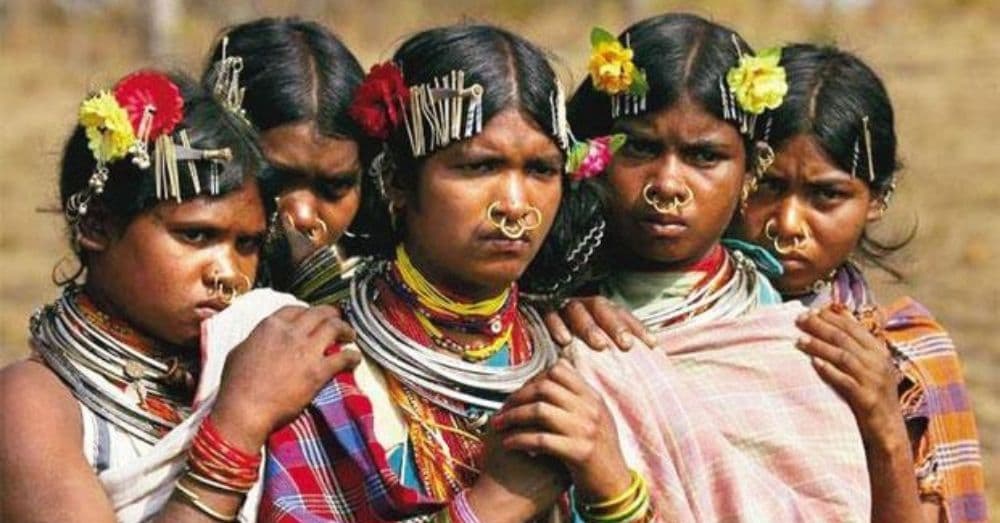
This report details the socio-cultural life, traditions, and challenges of the Bhunjia community, a Particularly Vulnerable Tribal Group (PVTG) in Chhattisgarh, highlighting their unique 'Lal Bangla' custom and transition from forest-based livelihoods to wage labor.
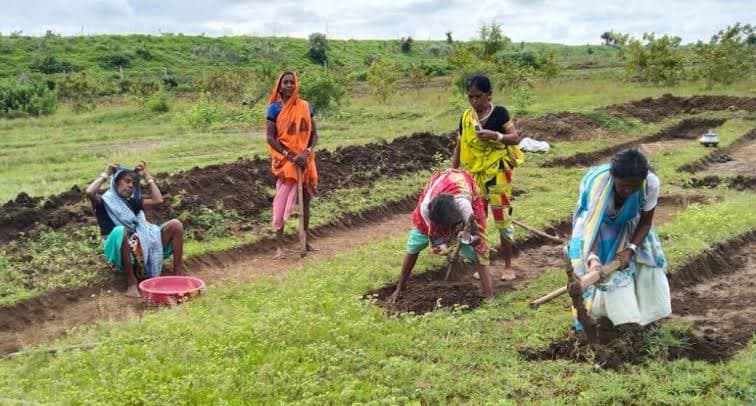
यह लेख छत्तीसगढ़ की 'लेवरा' पद्धति का वर्णन करता है, जो एक पारंपरिक, बिना जुताई वाली खेती प्रणाली है। यह आदिवासी समुदायों, विशेषकर पहाड़ी कोरवा जनजाति द्वारा अपनाई जाती है, जो खाद्य सुरक्षा और पर्यावरणीय स्थिरता सुनिश्चित करती है।

यह रिपोर्ट छत्तीसगढ़ के सरगुजा में 'उतेरा' नामक पारंपरिक कृषि पद्धति का वर्णन करती है, जिसमें धान कटाई के बाद बिना जुताई के दलहन बोया जाता है। यह कम लागत वाली, टिकाऊ विधि पोषण, मृदा स्वास्थ्य और जैव विविधता संरक्षण में योगदान करती है।

This research explores the revival of traditional circular economy principles within the farming systems of indigenous communities in South Rajasthan, India. It uses participatory learning to address nutritional deficiencies and promote sustainable, low-input agriculture against modern linear models.
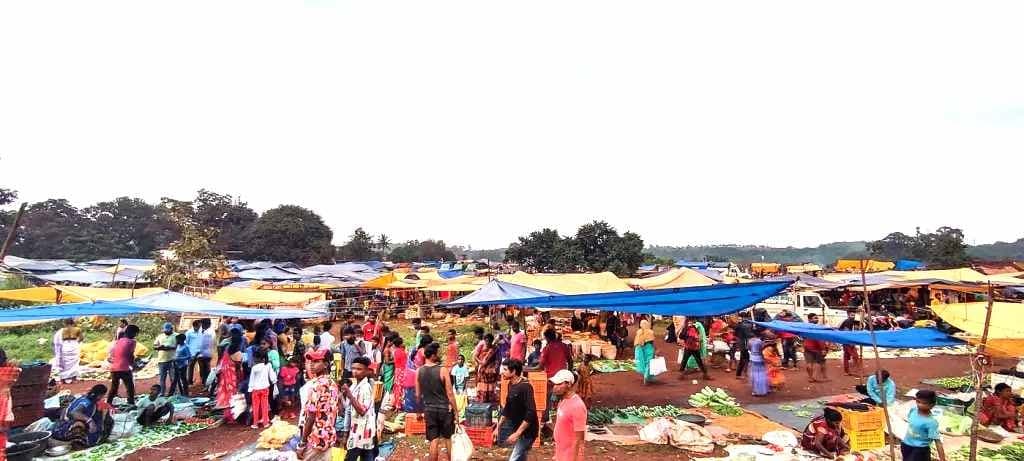
This document explores the deep-rooted significance of the 'Haat Bazaar' (weekly market) in India, particularly within tribal culture. It details its cultural, social, and economic importance, while addressing modern challenges and suggesting ways to preserve this vital tradition.